The Complete Roost Sonny Stitt Studio Sessions (#208)
Mosaic Records Limited Edition Box Set
|
"Stitt's throwaways are better than most musician's urgent statements. No musician has said more about the pure pleasure of jazz" - Chris Fujiwara, The Boston Phoenix |
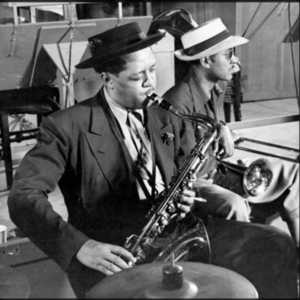
Sonny Stitt's rich, expressive sound on alto was vibrant. On tenor, his tone took on a warmth that betrays a Lester Young influence. His white-hot solos, rooted as much in earthy blues as sophisticated be bop, are positively jubilant and rhythmically driving. They are not just a collection of riffs; they tell a story. It's evident in his playing that he loved what he did, and he did it magnificently.
The prime focus of this set is the ten remarkable quartet albums that the saxophonist made for Roost between 1955 and '65, usually with Hank Jones or Jimmy Jones on piano and Shadow Wilson, Charlie Persip or Roy Haynes on drums. The saxophonist and these incredible rhythm sections concentrated on a wide variety of standards and infused them with inventive treatments and inspired playing.
This project has been on Mosaic's wish list for many years, but when we started research on them in 1989, most of the master tapes were nowhere to be found. Then a recent reorganization of the Roulette tape vault in London turned up all the LP masters as well as many of the original session tapes. Sonny Stitt's Roost recordings have been among his finest and rarest, long sought-after and seldom reissued and we are delighted that they are finally available.
Read More About Sonny Stitt:
Track Listing, Personnel & Recording Dates »
“…a tribute to a wonderful supporting cast that includes pianists Hank Jones, Jimmy Jones and Harold Maeburn; bassists Wendall Marshall, Aaron Bell and Ben Tucker and drummers, Shadow Wilson, Charlie Persip and Roy Haynes. Given those ideal settings, Stitt orates magnificently on a repertoire based in standards and casual originals on blues changes…”- Stuart Broomer, Coda

- Booklet
- Audio Quality
- Photography
- Sample Session Notes
Zan Stewart, erstwhile jazz critic for the Los Angles Times and, later, the Newark Star-Ledger and a frequent contributor to all the jazz magazine, remains a part-time saxophonist. And he knowledge of and passion for the instrument informed the great essay on Sonny Stitt found in this 28-page booklet. Roost was the vaguest of labels when it came to personnel and dating, but this discography clears up a wealth of mysteries.
In the age of microsizing, every Mosaic Records Box Set booklet is still 11 x 11 inches to allow our customers to appreciate all the extras we put into printing them (and for easier reading).
Gathering Sonny Stitt’s studio output for Roost was a daunting task that spanned from central New Jersey where producer Teddy Reig’s daughter lived to London where most of the Roulette/Roost masters are stored. When all was said and done, Malcolm Addey’s task included pitch correction on three early sessions to remixing the three and four-track masters on the five final sessions, as well as transferring and mastering the music in 24-bit resolution.
Photo Copyright © Protected
Sonny Stitt
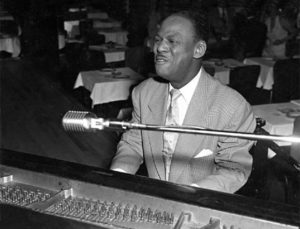
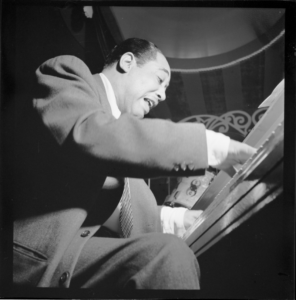
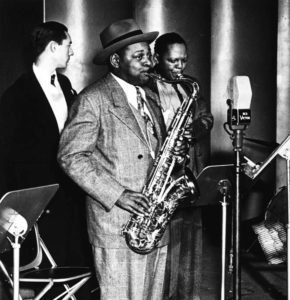
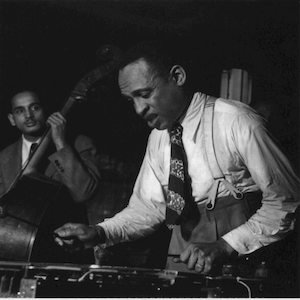
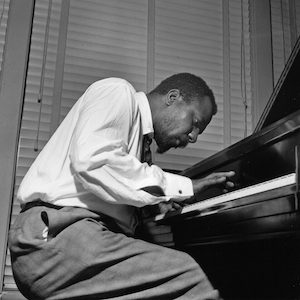
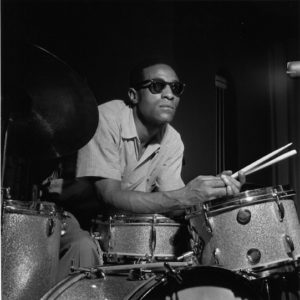
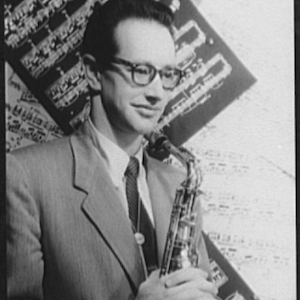
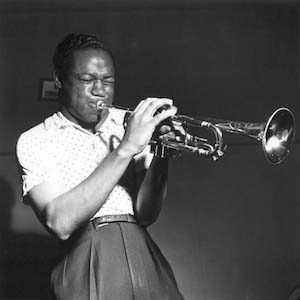
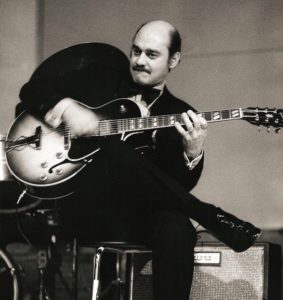
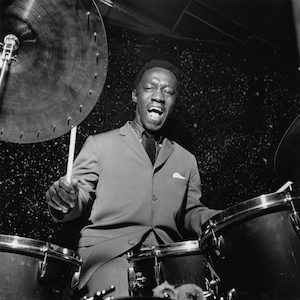
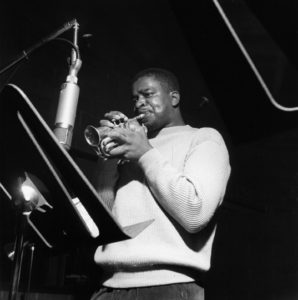
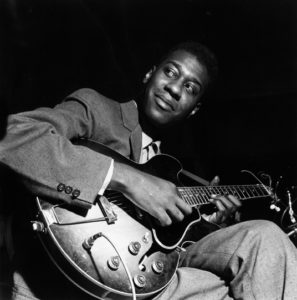
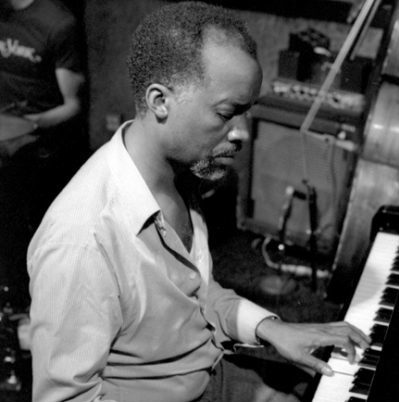
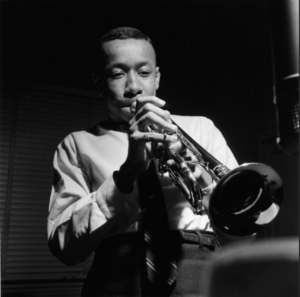
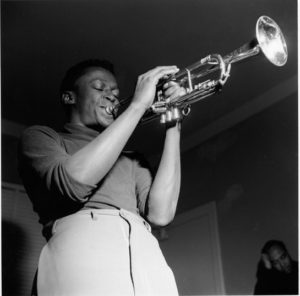
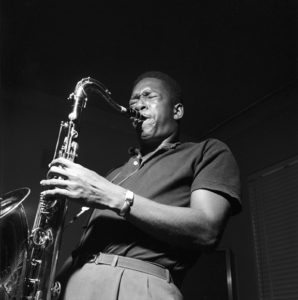
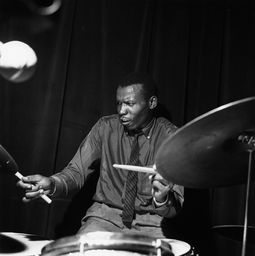
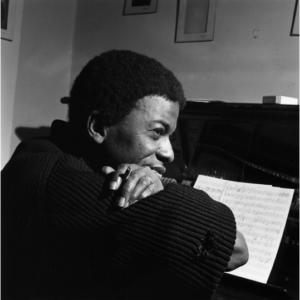
The 26 beautiful images are by Chuck Stewart and Francis Wolff.
August 30, 1957
This date, which produced Sonny Stitt With The New Yorkers, sees the return of the same gents who made Sonny Stitt Plays such a winner: Hank Jones, Wendell Marshall and Shadow Wilson. It contains some magnificent alto work by the leader. Ray Noble's Cherokee, a big hit for Charlie Barnet in 1939 became the anthem of bebop, adapted to the modern mode by Parker. His Ko-Ko, recorded in 1945, was the first example of his nonpareil command of both instrument and infant musical tongue at outrageous tempo. Stitt, in this version, is nothing short of phenomenal; one example is the astonishing first 32 bars of the saxophonist's opening chorus. Jones, in short yet telling statements, shows how tempo is no obstacle for him. When Stitt re-enters on the bridge after Marshall solos, he quotes two phrases Parker played on Ko-Ko in the same spot, then goes off into his own language.
The two takes of the medium-paced Engos, The Bloos are decidedly interesting. The previously unissued alternate begins with Sonny soloing strongly on the standard blues changes. Then in the third chorus, he shifts to a more complex progression that Bird used on his Blues For Alice, chords that allow for a more melodic interpretation. Stitt then plays the Alice changes throughout the issued master. The ideas flow, and there's a deep tunefulness, as the opening statements of the third chorus reveal. Jones, delicate yet ardent, picking his notes judiciously, offers one gem, then another.
Johnny Green's Body And Soul has been firmly ensconced in the jazz repertoire ever since tenor saxophone giant Coleman Hawkins delivered his stunning interpretation–sans theme–in 1939. Stitt's version belongs among his personal best. There are so many things that deserve attention: his dead-on intonation in all ranges; his driving bop phrase, at bar 9 of the theme, which leads to a splendid five-bar exposition; the offering of a favored quote from Prisoner Of Love which a bar later includes a snippet of If You Could See Me Now at bar 9 of the solo; and his quote of Cocktails For Two, deftly altered, coming out of the bridge. Jones' prancing intro sets up the just-faster-than-medium take of I Didn't Know What Time It Was. The trio is strong behind Stitt, pushing him. Jones feeds chords so constructively. He's enjoyable to listen to simply as an accompanist, and when he solos, each of his compact ideas – he stretches a bit toward the end – is enlivened by his crisp articulation and his luminous tone, which inspired such keyboard greats as Tommy Flanagan and Kenny Barron. One review of Jones behind Stitt said he lacked the musical know-how to play with the saxophonist. Ha! Stitt has a real feel for the 32-bar killer The Best Things In Life Are Free. His version is a medium-fast delight; the zesty melody treatment leads to a like improvisation. Some of his phrases are flowing – his five-bar opener tied to another of almost three bars – is one. Others are rhythmically ardent, like that hit-the-same-note-three-times-then-a-brief-sweep-up that starts the second chorus, or the dandy one that begins on bar 24. The rhythm section is firm yet buoyant behind him; listen to Wilson drive him with his varied, dynamic cymbal attack. Hank's mix of Tatum, Teddy Wilson and Bud Powell is simply one of a kind.
Sonny and crew look at People Will Say We're In Love twice. On the previously unissued alternate, where Shadow employs his brushes with expected elan, Stitt's superlative effort begins with a partial quote of And The Angels Sing that segues into a punchy, swinging lick. It's just the precursor of many good things to come. Jones rolls his even notes out in small bunches, and in longer strands. It all works. As does everything on the master. It's a shade faster, and a piano-bass rhythmic figure underpins the theme (as it did on the alternate)–except the bridge, where it swings. Once more, Stitt gets off on the right foot: he takes a simple phrase and turns it around, both rhythmically and juxtaposing the pitches. That's jazz, folks. Then in the second chorus there are those three blazing double-times and some deft blues-tinged ideas. Beats me how they picked one take over the other, but we have them both so not to worry.
Bloosey shows again that Stitt was as come-what-may in his titles as his blues themes; the latter were for the most part simply made up on the spot. But once the solo starts, Sonny is cooking, back on very familiar turf. He hits some morphing triadic figures to start the third chorus, stopping a dime when the idea is over. That's rhythmic acumen and instrumental control. On the fifth chorus, after the opening phrase, he descends with a classic bebop cliché: hitting a series of three pitches, the second and third higher and lower, respectively, than the first. The ideas seem to spin as they go down the horn. Jones mimics Stitt's last remark to start his own noteworthy improv.
Stitt's Bird's Eye is the same head that Parker used on his Steeplechase, recorded for Savoy in 1948. Whatever the name, it's another superior tour through Rhythm changes. To start the bridge of his solo, Sonny finds two different ways to play another classic bebop phrase: the quick rise-and-fall that Bird used to open his solo on Ko-Ko. This is arguably the most quoted idea in all bebop, and in his transfiguration, Stitt reveals his ingenuity. Jones is impressively fluid, nudged by Wilson's ride cymbal. Then the drummer trades some crisp fours with the leader; it's good to hear him let go for a moment.
Both versions of It Might As Well Be Spring start with a four-bar intro that manages to make a modified Happy Birthday fit before a quiet and pretty subsequent phrase arrives. You can almost hear the lyrics, as Sonny delivers the tender theme, which is embellished by his vibrant interjections; he's singing. He leaves the solo to Jones, who is abetted by Marshall's fat notes and Wilson's emphatic brush scrapes across the drumheads. On the slightly faster master, Jones' solo is more involved, a delightful mix of melody and imagination, and the ending is a fade, rather than the clean stop on the previously unissued alternate.
Click here to write a review
| six feet or so | |
| Just listen to the sound clips, if you're not impressed you need to borrow a shovel and start digging a hole. | |
| A consistently excellent album! | |
| I hesitated ordering this album for several years because (a) Mosaic kept introducing other new albums I thought I wanted more and (b) when Roost itself released their multi-disc Stan Getz set from the past, the sound was pretty muddy. Well, I am glad I finally obtained this Sonny album. It is consistently top notch through all 9 discs. It has been reported that Stitt played the way he did before he even knew about Charlie Parker. Indeed he is less of a carbon copy of Bird than many critics claim. Anyone who likes post-Swing jazz should find this entire album very approachable. His tendency to play the very first part of a standard straight and then take off with his improvising (both technically and musically suberb) never becomes boring. Several individual cuts can be mindblowing. The sound is excellent with great "presence". As is standard with Mosaic, the booklet is very informative regarding both the artist and the music. This is one of the albums that should be in your collection. Don Seitas; Mill Valley, CA | |
| A New Standard | |
| I've been a musician for 36 years, and an alto saxophonist for the last 28. I took up the alto after first hearing Bird, and have been a pure bop player ever since. The ultimate compliments I've received were that I sound like Bird, which has always been the standard by which I judge my playing (as well as other alto players'). I add my own elements to the mix, but Bird has always been the primary influence. Assuming he was little more than the imitator that uninformed critics refer to him as, I never paid much attention to Stitt until recently, and I purchased this set as part of my "rediscovery" of his playing. I'll say this: Since getting into Stitt, I don't listen to Bird anymore (or any other sax players, for that matter.) In my opinion, Stitt took Bird's style, perfected it, refined it, strengthened it, added his own impressive set of riffs and runs to it, and in so doing created the most exciting and powerful bop alto style I've ever heard. This set is almost exactly what I hoped it would be: Highly concentrated, straight ahead, burning Stitt, tons of great alto solos I can really did into and absorb. (I gave it 4 notes instead of 5 because I don't like the Latin tracks, nor do I like organ accompaniment). I use this set as a learning tool and for inspirational listening (such as before a gig!) ...analyzing each solo... copying riffs and runs and trying to master that searing tone, precise execution and powerful, confident attack (no flubs- Stitt was a consummate perfectionist). After playing jazz alto sax for 28 years I have a new influence, a new hero...this set is my new musical bible, and Sonny Stitt has become my New Standard. | |
| I love it!!! | |
| What else do I need say, if you are a Stitt fan, you won't be disappointed. | |
| Stitt | |
| A staggering amount of great sax playing. The bands are uneven but Stitt is Stitt, and when he's plaing with someone like Hank Jones the music is divine. Even with the medicore bands Stitt still soars. | |
| Consistently high quality | |
| Sonny Stitt seems to have a reputation for having been profligate and inconsistent in the recording studios, but the performances on these 9 discs are of such consistently high quality that Teddy Reig must have been extraordinarily gifted or blessed — that, or the rap on Sonny is false. Another customer below complains that Sonny dominates the proceedings here too much — I understand the complaint, but as finely honed, concisely executed showcases for one of the finest saxophonists of his time, these discs have probably given me more listening pleasure over the year or so I have owned this box than any of the other Mosaics in my collection — and it surprises me to say that, given how much I enjoy all of them. | |
| Audio Clips | |
| If you're undecided listen to the audio clips, they're representative of the best of the set. This is great sax playing by my ears, sure there's some inessential tracks/sessions in this nine disc set but overall Stitt is usually inspired and the solos are often intense. Check out the clips. | |
| Classic Cool Jazz | |
| Sonny may not be Charlie Parker, but, on this set, he delivers 9 cds of classic and consistently good cool jazz. Highly recommended for any fan of Blue Note style jazz. | |
| sonny, sonny, sonny | |
| The reviewer has it just right, while on tour in Stockholm with Miles Davis, Coltrane was asked, Who is your favorite Tenor player? Sonny Rollins. To which the interviewer points out that Sonny Rollins said the exact same about Coltrane. At any rate, the Sonny Stitt set is awesome. Stitt was an astoundingly gifted performer; who never failed to give his best on every occassion. If you are not familiar with Stitt's catalogue, simply start with disc 2, but hold on because discs 4 and 6 are equally superb. Mosaic has hit another homerun, excellent job!!! | |
| I'll Take It | |
| "Won't make you forget Rollins or Bird?" Why I'd be elated with the number three slot!! This is a very good set and Stitt plays beautifully. | |
| SONNY, SONNY,SONNY ! | |
| When asked , Who is one your favorite sax players, Coltrane replied Sonny Stitt.Need I say more. 5 stars..Thanks again Mosaic for finding some outstanding recordings.Of one the best sax players ever. Equal to Bird in everyway.. | |
| Test Case | |
| I've often thought the test for whether you really love something is whether you like examples of it that are merely good, as opposed to great. Like, anybody can enjoy the very best Burgundies, but the real lovers also go for the more workaday examples. So here's Sonny Stitt, a very good player, but not of the first rank. Someimes he coasts, and even when he's at his best, well, he won't make you forget Bird or Sonny Rollins. But I found this collection immensely enjoyable anyway, cuz I just love this kind of swinging bop-oriented mainstream jazz. (Sort of the same way people who really loved small-group swing got behind the old Quebec/Hardee Mosaic set.) If you do, too, get it. If you don't, you'll think it's a bit much. | |
| Too much alto, not enough interplay | |
| Not recommended for the price. Two-thirds of this set is Sonny on alto. If that's what you're after, I'd buy the Lou Donaldson set over this one. At least you'd get a warmer sound, lengthier cuts and a good percentage of other horns playing alongside him. With this set, sometimes the pianist gets to jam, but not often enough. Mostly it's just Sonny with his shrill alto playing short little tunes with the rest of his quartet acting as mere accompaniment. Over roughly 7 of the 9 CDs, the format becomes unbearably repetitious. One wonders why this was on Mosaic's wish list for so long given that it's pretty non-essential stuff. | |
| My Gosh | |
| This is a hold onto your hats set if there ever was one. Stitt was amazing. | |
| Stitt in unexpected settings | |
| I've always considered Sonny Stitt one of the greatest beboppers - not so much a disciple of Bird's, rather a colleague - so I couldn't wait to get this set. I was expecting to hear plenty of great alto and tenor backed by rhythm section, perhaps with the occasional trumpet thrown in. As regards small groups, this set doesn't disappoint, but it offers so much more. As I listened to the first CD in the car (I hadn't yet read the booklet) I was surprised to hear a latin groove starting up with baritone, trombone and - was that a mellophone? And then the piccolo kicks in! Before I heard even the first note Sonny plays I had realised that this set was going show sides of Stitt of which I had never been aware. We hear Sonny in many setting here - accompanied by the Quincy Jones Orchestra and by Hammond organ as well as great small bands featuring stellar players like Hank Jones, Horace Silver, Chick Corea, Mingus and Thad Jones. Not just highly reccommended - essential! | |
| Essential Sonny | |
| At one time Sonny Stitt was the most recorded artist in jazz. Of course there are peaks and valleys in all those studio dates. However, this Mosaic set captures Sonny at his zenith. The Roost recordings, especially "Plays Arrangements from the Pen of Q. Jones," prove that Stitt was a consummate virtuoso on alto, an improvisor whose well of ideas ran deep, and a most soulful swinger. As Dick Sargis said, after listening to one of the Roost dates, "If Sonny played like this all the time, we wouldn't have missed Bird at all." | |
| Splurge | |
| I hesitated a long time on this one because of the price and number of discs. But I'm glad I splurged. This set is so good it's almost overwhelming at times. In my book Stitt is one of the great saxophonists, and I wouldn't have said that before I listened to this set. Mosaic does it again. Thanks. | |
| Fine Set... | |
| This an excellent set of music. It is a lot to absorb. There are a couple of clunkers, but a nice set and some great Stitt. | |
| This Cat | |
| This cat can blaze . . . the devil would cast you as having to follow his solos with yours for eternity. | |
| beuuuuuutyful! | |
| listening to Sonny Stitt play "Star Dust" is one of the few experiences in my life I never get tired of. Hats off to Mosaic. | |
| Immense | |
| There's a lot of swing era music in Stitt which comes out in his beautiful ballad and medium tempo playing. The range of his resources is immense. Five stars, and this is one of my favorite mosaic sets. | |
| The Real Thing | |
| Well, Stitt sounds a bit like Parker when he goes way uptempo but for the medium tempo and the ballads there's not much overlap. This is a wild ride of a set because Stitt is just so good it doesn't matter what the situation presents, he just blazes with inspiration. The rhythm sections are uneven with some great ones and some just pretty good ones. I've heard plenty of later Stitt and always thought he was very good but I had no idea that he was this good. This is major sax playing consistently over nine discs. Quite a set. | |
| IMITATOR?!! | |
| Well, for all the talk, I'd like to hear somebody "imitate" Sonny Stitt. It can't be done. End of story. My thanks to Mosaic for a wonderful production. Ten stars. | |
| A must-have for any Stitt fans | |
| Even though I love my 32Jazz Stitt discs (Constellation, Tune Up, etc), I was a bit reluctant to purchase this set, fearing that his (relatively) earlier style may have been deficient in some way. Well, I was wrong. This is a great set, with lots of wonderful playing by Stitt. If you consider yourself a fan of Stitt's, I urge you to get this set, it's well worth it. | |
| Stitt outflies Bird!!! | |
| Sonny Stitt may have been criticized as copying Bird's style and licks, but if you can play them better than bird himself, that's another story. That other story is in these nine CDs. Most of the tunes in the set are Stitt originals and also include several standards, his classic "Parkeresque" blueses, and also Parker tunes. First disc was my least favorite of all nine, but that was because of the instrumentation. But be ready to be amazed at Cherokee, Scrapple from the Apple, and everything else about these recordings!!! | |
| The Best!!! | |
| Yes, I enjoyed "Bird" but Sonny was my favorite from the beginning, both on alto and tenor. He had all the right qualities and I admired his dedication to lyrical, swinging music and his resistance to all that happened thereafter. Isn't it a shame that what we have to listen to today doesn't hold a candle. Sonny is timeless and his music will live on forever. Although I don't have these recordings, I do have several Roost originals, 10 and 12inchers. The notes don't mention recordings entitled "Sonny Stitt" on which appears Shadow Wilson, Hank Jones, Freddie Green with tunes, There will never be another you, Afterwards, Blues for Bobby. I hope they are not missing. Sonny was no Charlie wannabee. He was his own man. | |
| Stitt fans "stitt" together...email me! | |
| hey everybody! ariceffron@yahoo.com. Sonny Stitt? | |
| Sonny Flies High | |
| Bird impressionist?! Nah, only in respect of producing some of the greatest alto (and tenor) work of the 50's and beyond. Like Bird, Sonny flies high and will always be one of the greats. Can we look forward to a Verve set sometime? | |
| Three words for Sonny Stitt.............W.O.W. | |
| Not being a jazz scholar I have to judge Sonny Stitt as all jazz I listen to by what sounds good to me. This boxed set just out and out swings....This release should help bring the greatness of Sonny Stitt to the forefront and expose him for what he was and is; a truly great master af all phones sax (alto,tenor,baritone) | |
| Raisin' the Roost | |
| When I first started listening to jazz, a friend lent me his LP of Sonny Stitt's "Tune Up". From that day I went out and bought every recording of Sonny Stitt that I could lay my hands on. Of course, he made some horrible records, as did others. But I can find no fault with his Roost and Verve recordings. So when is Mosaic going to put out "The Complete Verve Sonny Stitt Studio Sessions?" | |
| Sonny Cooks!!! | |
| The title I choose says it all 10 hours+ of Sonny at his best ever. Highly Recommend!!!!! | |
| In the shadow of Bird? Really? | |
| All too many jazz lovers--who should know better--have dismissed Sonny Stitt as just one more Parkerite. The argument is that somewhere, somehow, Stitt heard Bird and copped his ideas, sound, phrasing and--probably--girl friend of the minute. Of course one hears Yard in Stitt's playing, but during bebop's halcyon years, who didn't hear Parker in everyone's playing? The point is this: while Stitt may remind the listener of Bird, careful attention show that Sonny was his own man, with astounding technique, breadth of ideas, marvelous sound and perfect phrasing. I used to think that Stan Getz was the virtuoso of the century. After listening to the Roosts, I'm beginning to wonder if I was wrong. And of course Sonny, like Getz, uses technique only as a means to and end. This collection finds Sonny Stitt at the zenith of his creativity and musicianship. At least four of the sides are worthy of that desert island exile all of us have considered from time to time. | |
| One for the Time Capsule | |
| I've often wondered if these remarkable recordings still existed, especially since none of the literature on Sonny Stitt makes mention of them. In many respects, they represent a veritable textbook of consummate 1. musicianship; 2. saxophone playing; 3. jazz improvisation. I can think of no other recordings I would rather get in a fledging jazz player's hands. Sonny would be asked to lay down 5-6 tracks per side, requiring that he make every single note count in what might be no more than a single chorus (32 bars) of improvisation. Each of the improvisations is so well organized, so structurally cohesive, so melodically purposeful that one doubts seriously that a composer given unlimited amounts of time could have designed a superior chorus. These are not adventurous or innovative statements--merely immaculate examples of the art of improvisation in the hands of a mature master. And then there's that sound! No one sounds more exquisitely pure, direct, and beautiful than Sonny on either alto or tenor- | |
| One great sax player. | |
| Sonny like alot of musicians went his own way and his body of work is excellent. Very underrated in many ways, but few played as well as he on alto, tenor or baritone and dare anyone to name someone that did play as well on all three horns. Great musician. | |
The Complete Roost Sonny Stitt Studio Sessions (#208)
Limited Edition: 5000 copies
9 CDs - $144.00

Big Band