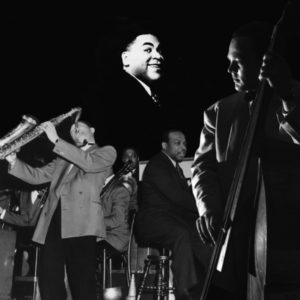
Louis Armstrong
"Fire—that's the life of music, that's the way it should be."
“Though he was never billed as the King of Jazz, Louis Armstrong is the sole legitimate claimant to that title.”
By: Dan Morgenstern
Of course, there would have been the music called jazz but how it might have developed without Armstrong is anyone’s guess because he was the key creator of its mature working language.
More than two decades after his death and nearly three-quarters of a century since his influence became widespread through the medium of phonograph records there is not a single musician playing in the jazz tradition who does not make daily use, knowingly or unknowingly of something invented by Louis Armstrong.
Radical visionary
Those who recall Armstrong only as the world-famous, genial entertainer whose face, smile, and gravelly voice were instantly recognizable may find it hard to comprehend that this man was a revolutionary jazz artist—one of the handful of radical visionaries who changed the face of art in the twentieth century.
He made jazz a vehicle for unprecedented freedom of creative expression, for musical imagination within a uniquely balanced. democratic framework. Armstrong’s genius transformed what had been an interesting, even fascinating folk and dance music into a genuine and vital art.
With wide-ranging influence
Armstrong’s influence does not end with jazz. The way popular singers, from Bing Crosby to Harry Connick. Jr., phrase and breathe stems from Armstrong’s liberating approach to melody, tone production, and rhythm. American instrumentalists (including symphonic brass and wind players) have learned to expand the range and expressive power of their instruments from Armstrong’s unprecedented flexibility and range as a trumpeter with a new kind of virtuosity. And the composers of what is “The Great American Songbook” consciously or unconscious use of the discoveries Armstrong passed on to the mainstream of jazz.
Armstrong accomplished all this in the most natural and unassuming manner, for he was the most natural of men. He was blessed with a perfect physique for playing the trump, the most demanding of all instruments, and with an ideal disposition for coping with the hard work of being a professional music psychic stress that a black performer of his generation endure. He was even equipped to cope with success, regarded by some as the ultimate American dilemma. -Reprinted with permission of Dan Morgenstern, Excerpt from Louis Armstrong: A Cultural Legacy
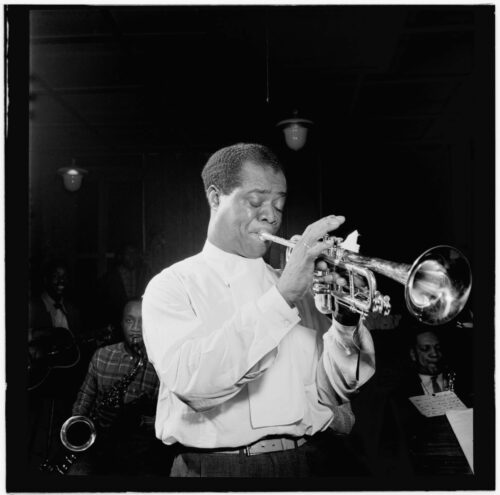
“…In the final chorus, Armstrong uncorks a spiraling ascending phrase before hammering home a two-note riff over and over, foreshadowing a decade’s worth of big band writing that would follow in the 1930s.”
Joe Oliver Is Still King
“Joe Oliver has always been my inspiration and my idol. No trumpet player had the fire that Oliver had. Man, he really could punch a number. Some might have had a better tone, but I’ve never seen nothing have the fire, and no one created as much as Joe.”
Louis Armstrong &
Earl Hines
What he had in common with Armstrong was a rhythmic adventurousness so pronounced that his bandmates found his wilder flights of fancy all but impossible to follow.
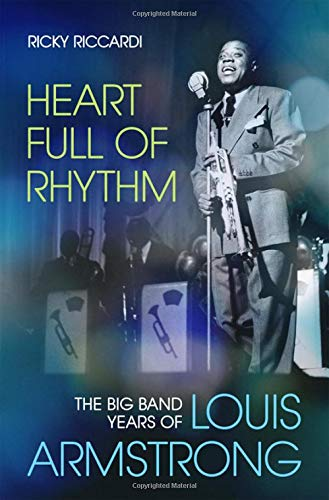
There’s a New King
in New York
The Savoy Ballroom was the mecca for jazz in Harlem, but there was an extra buzz surrounding it in early March 1929. Luis Russell’s Orchestra was performing, which wasn’t unusual, but for two nights only, the band would feature a special guest on trumpet: Louis Armstrong.
Louis Armstrong
Two Masterpieces
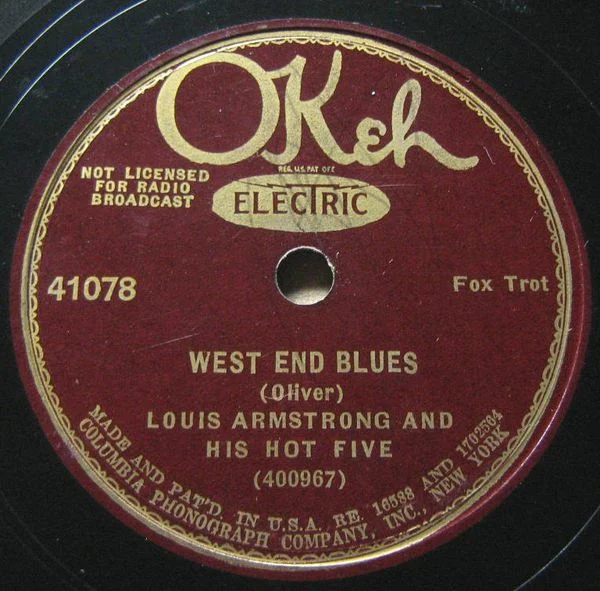
The history of jazz encapsulated in one-bluesy-run descending blitz of notes that immediately follows the high C, … It’s 12 seconds of heaven.
By Ricky Riccardi
Louis Armstrong’s 1928 performance of the tune has probably been the subject of more words and analysis than any other in the history of jazz. Gunther Schuller devoted page after page to it in 1967’s Early Jazz, writing, “The clarion call of “West End Blues’ served notice that jazz had the potential capacity to compete with the highest order of previously known musical expression.” Gary Giddins wrote that this tune “came to symbolize more than any other the ascendancy of a classic American music.”
Though only three minutes and 21 seconds, “West End Blues” feels like an epic film. The opening cadenza sets the mood, like a gripping action sequence that occurs before the credits. Some critics have discussed the cadenza as if it were completely spontaneous, as if Armstrong said, “Okay, boys, let’s cut Papa Joe’s tune. I’ll play a little intro and we’ll take it.” That cadenza is too damn perfect to be completely spontaneous, and besides, it contains fragments of ideas that Armstrong had already put into wax.
“West End Blues” cadenza could have been issued as a record by itself, like the later Charlie Parker “Famous Alto Break.” It’s like listening to a song with all its different components and each time I hear it, something different knocks me out: the opening descending quarter notes that sound like an alarm clock; the dizzying arpeggios that build to the stirring high concert C; the history-of-jazz-encapsulated-in-one-bluesy-run descending blitz of notes that immediately follows the high C, foreshadowing where jazz is going, yet firmly rooted in where it’s been; and those scattered chromatic phrases, sounding so effortless in the hands (or chops) of an artist who is so completely in command of his horn. It’s 12 seconds of heaven.
What follows is magical. Armstrong plays Oliver’s lead in harmony with Jimmy Strong’s clarinet as Fred Robinson’s trombone lends a foggy bottom to the proceedings. Armstrong maintains the dignified, somber feel of Oliver’s record, until he gets to bar seven, where his reading of the melody begins to grow airier and more ornate. At the 12-bar chorus, he spins another arpeggio up to a high concert Bb and then takes a breather, handing the ball over to Robinson to take a short solo. Robinson was no legend and on many of these 1928 sides, he doesn’t hold a candle to Armstrong, but even he seems inspired on this one, taking his time and moaning the essence of the blues on Oliver’s written second strain. He gets delicious backing by a Zutty Singleton shuffle beat with his hand cymbals and a steady, nearly 12-bar tremolo by Hines.
Hines was one of the most innovative pianists to ever sit behind a keyboard and his virtuosic display on “West End Blues” is one of the record’s most memorable features. Singleton and Carr drop out, leaving Hines all alone but he makes the most of it. His left hand is consistently shifting; part stride, part descending and ascending octaves and tenths, all mixed up with the occasional jarring, off-the-beat accent. And that’s just the left hand! The right hand plays a lot of those “trumpet style” octaves, but there’s a lot of single note runs also, leading to the solo being equal parts melodic and flashy. All of it is mesmerizing; just listen to the ascending chordal run he plays with both hands simultaneously for a second at the 2:28 mark for a short example of Hines’s brilliance.
With 51 seconds to go, there’s only enough room for one chorus and a coda. Again, this comes off so perfectly, I don’t think anyone could write it off as being completely spontaneous. Almost like an arrangement, Robinson and Strong harmonize, Strong holding one note while Robinson discreetly accents on the first beat of every bar, hitting a blue note in bar for. Meanwhile, Hines and Carr comp dramatically, surging together as the song begins to sweat. And on top of it all, the celestial being known as Louis Armstrong, holding the most dramatic, throbbing, high Bb in the history of recorded music. He holds it for four bars (12 seconds), with just the right amount of vibrato to send the hairs on one’s neck to rise to attention. It’s such a genius move, because he basically takes the original motif from Oliver’s melody, and inflates it into something much more bold and stunning than anything those original 12 bars suggest
But he’s not done yet! After four bars of the held note, Armstrong unleashes a furious series of descending runs off an Ab7 chord – Bb-Ab-Gb-Eb, four notes repeated five times in five beats before Armstrong turns it inside out and hits a high C for a second. He continues onward, phrasing with a flair that does indeed suggest opera, especially with the upward, almost scalar, run he plays towards the very end of the chorus, as well as the little turn of a phrase that ends it.
Then it’s on to the coda, or the final resolution, to continue my movie analogy from earlier. I think if “West End Blues” had a cute little Lil Hardin ending, it might have taken some of the steam out of it. But instead, the actual ending, with Hines’s descending inversions and the final melancholy statement by the horns, delightfully maintains the mood of the entire record.
In the notes to a Time-Life LP box set on Hines, the jazz musician remembered now the ending came about: “Now how the ending was going to be we didn’t know. We got to the end of it and Louis looked at me and I thought of the first thing I could think of, a little bit of classic thing that I did a long time ago and I did it five times and after I finished that, I held the chord and Louis gave the downbeat with his head and everybody hit the chord at the end.”
Well, almost everybody. As everyone held their final chord, Zutty Singleton unleashed a somewhat strange “clop” from his bock-a-da-bock cymbals. I’ve always liked this sound because, to me, it sounds like someone closing a time capsule on the amazing brilliance that just occurred in the previous 200 seconds. But Hines explained that Singleton had a little trouble with his simple duty: “Zutty had this little clop cymbal…and he clopped it wrong. So then we had to start all over again…We spent hours in there with the hot wax.” Thus, we can be fairly certain that “West End Blues” wasn’t a completely spontaneous performance. No alternate takes survive but I often do wonder that if they did, would each one of them contain the exact same cadenza?
The musicians were justifiably proud of their efforts, as Hines attested to. “When it first came out,” he said, “Louis and I stayed by that recording practically an hour and a half or two hours and we just knocked each other out because we had no idea it was going to turn out as good as it did.” Armstrong would go on to list “West End Blues” as one of his favorite records, but he never seemed to speak or write too much about it. – Ricky Riccardi
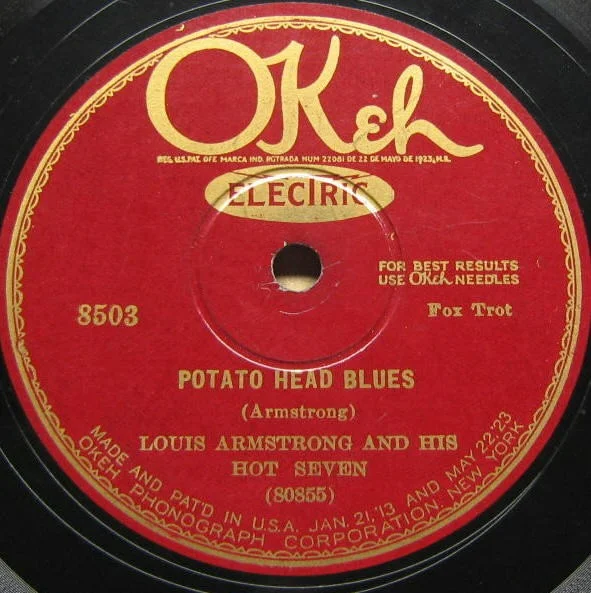
Potato Head Blues – An Ensemble Masterpiece
I got into Louis Armstrong’s music when I was 15-years-old. It was the double whammy of seeing Louis in “The Glenn Miller Story,” then listening to a cassette compilation of Louis’s 1950s Columbia recordings, “16 Most Requested Songs.” I was immediately hooked and started to dive into books and articles about Louis. Back then, the running myth was that later Armstrong is a disappointment; listen to the early stuff to hear the real genius. So two months after my initial exposure, it was Christmastime and my parents got me Columbia’s 4-CD set, “Portrait of the Artist as a Young Man.”
.. But it wasn’t until “Potato Head Blues” that I got hit right between the eyes. In his brief description of it in the booklet, Dan Morgenstern exclaimed, “What joyous music this is!” He wasn’t kidding. I remember spending Christmas in Florida that year (we almost always did since we had a condo in Deerfield Beach) and just listening to “Potato Head Blues” over and over. Dan’s words hit it on this head: it was the joy this music exuded that grabbed me and hasn’t let go, 17 years later.
So what is it that got me back then, still gets me today and has seemingly gotten the rest of the jazz world for the last 85 years? To me, it’s everything, not just the stop-time solo. With good reason, “Potato Head Blues” is an ensemble masterpiece. From the opening bars, Louis’s lead is so relaxed…but Johnny Dodd’s counterpoint is all over the place (in a good way). This is really one of Dodds’s finest records (more on that in a bit). Dutrey is a bit off-mike but his held notes and smears are always right on.
And the rhythm section is infectious, as well. I usually prefer my jazz with a 4/4 feel but Pete Brigg’s tuba lines really propel this thing, though Lil’s piano and Johnny St. Cyr’s banjo are there to keep the 4/4 going with their constant chording (Baby Dodds is sadly inaudible until the very end).
After making it through a joyful 32 bars (I should mention that “Potato Head Blues” is far from a 12-bar blues), Louis takes a break that he’ll reference later on in the track. He then takes the verse by himself in a much more relaxed and melodic way than what Lil would notate on her later lead sheet.
Johnny Dodds is up next, soloing on the 32-bar main strain. I love, love, love this solo; in fact, it single-handedly inspired me to attempt to learn the clarinet while I was in high school (a disaster that didn’t last a year–the clarinet playing, not high school). I’ve seen some references to Dodds not swinging but I don’t care, whatever he does here works for me. There’s a lot of quarter-notes, something Louis gets credit for pioneering, though he seemingly got his from King Oliver. Dodds’s break, like a lot of his playing, is infused with the blues, before he goes way up for some purely passionate wailing. There seems to be further proof that this was something fresh going down in the studio that day as Dodds’s seems to want to end his solo with some stop-time breaks but Lil and St. Cyr miss it the first time around and hit two beats before pulling back. Dodds blasts right through it, right to the end of a truly fantastic 32 bars.
But no one talks anymore about Johnny Dodds’s 32 bars; how could they with what happens next? St. Cyr plays a short interlude on the banjo, his way of saying, “Ladies and gentleman, grab a seat because you’re not going to believe what you’re about to hear!”
Louis gives himself a running start with some repeated notes before hitting a D squarely on the beat at the same time the rest of the band hits its first stop-time accent. After arpeggiating a G chord, Armstrong channels his inner Oliver and hits three quarter-note E’s (the sixth, always a favorite harmonic choice of Lester Young). And then…space. That’s one of the most beautiful things about this solo: Armstrong’s use of space. He has one chorus to get his message across and he’s clearly in no rush to do it. From this moment on, he almost never plays at the same time as the rest of the band’s stop-time chords, instead giving them their say and answering with his own beautifully poised phrase, each one more melodic and swinging than the one that came before it.
There’s some fancy-fingering on the repeated E’s in bars 9 and 10 and he sits on a D# off of an E7 chord (the augmented fifth) for a hip effect. But then we get to the midway point for something special: Louis Armstrong reaches into his bag of tricks and plays a break he first played with King Oliver on “Tears” (another Armstrong composition) in 1923.
Edited and reprinted with permission. For the expanded post and all things Louis, please visit Ricky Riccardi’s blog at dippermouth.blogspot.com
What A Wonderful World
Louis Armstrong
Extraordinary Jazz Artists
Extraordinary Jazz Music

Mosaic Records Limited Edition Box Sets
-
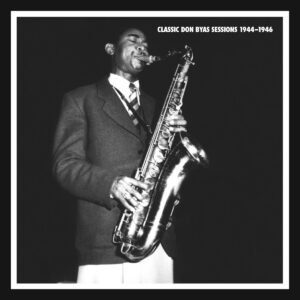
 Classic Don Byas Sessions 1944-1946 (#277 - 10 CDs)
$179.00
Classic Don Byas Sessions 1944-1946 (#277 - 10 CDs)
$179.00
-
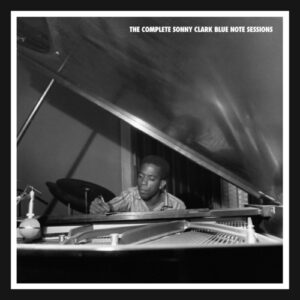
The Complete Sonny Clark Blue Note Sessions Limited Edition Box Set (#276 - 6 CDs)
$99.00
-
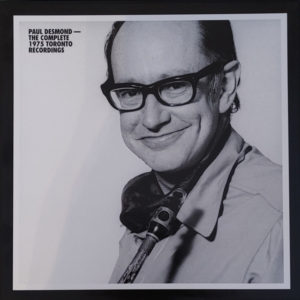
Paul Desmond – The Complete 1975 Toronto Recordings (#269 - 7 CDs)
$119.00
-
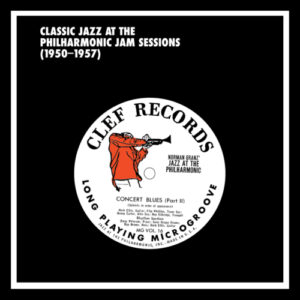
Classic Jazz At The Philharmonic Jam Sessions 1950-1957 (#275 - 10 CDs)
$169.00
-
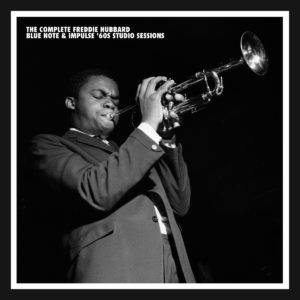
The Complete Freddie Hubbard Blue Note & Impulse Studio Sessions Limited Edition Box Set (#274 - 7 CDs)
$119.00
-
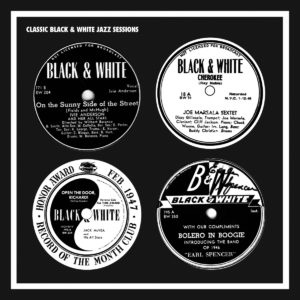
Classic Black & White Jazz Sessions Limited Edition Box Set (#273 - 11 CDs)
$179.00
-
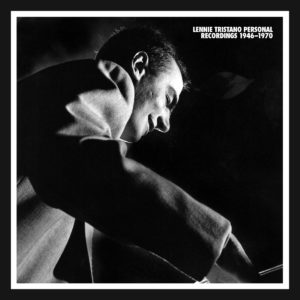
Lennie Tristano Personal Recordings 1946 - 1970 (#272 - 6 CDs)
$99.00
-
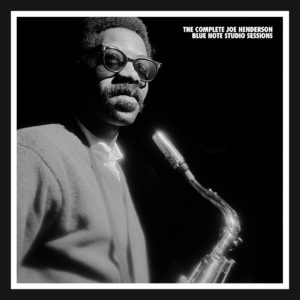
The Complete Joe Henderson Blue Note Studio Sessions (#271 - 5 CDs)
$85.00
-
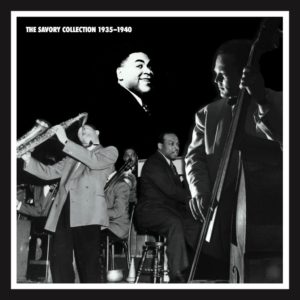
The Savory Collection 1935-1940 (#266 - 6 CDs)
$99.00
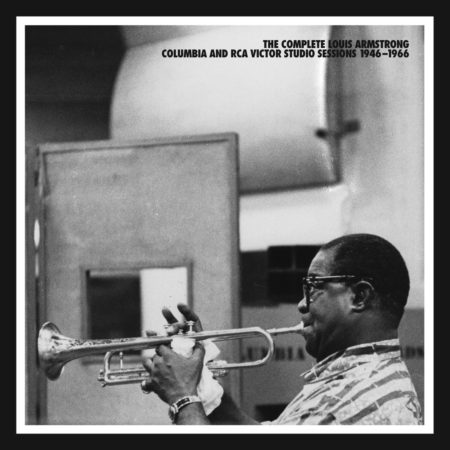
The Complete Louis Armstrong Columbia & RCA Victor Studio Sessions 1946 – 66
(Set is available)
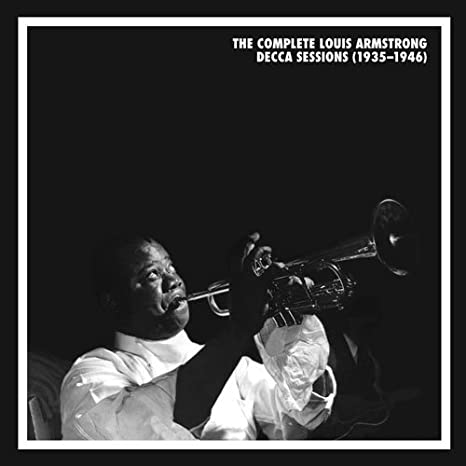
The Complete Decca Studio Recordings of Louis Armstrong and the All Stars
(Out-of-print)
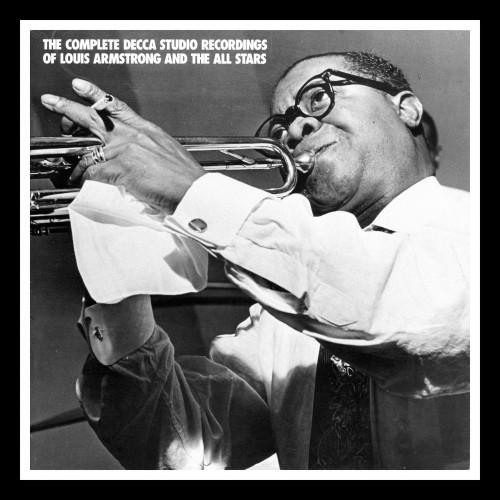
The Complete Louis Armstrong Decca Sessions 1935-1946
(Out-of-print)
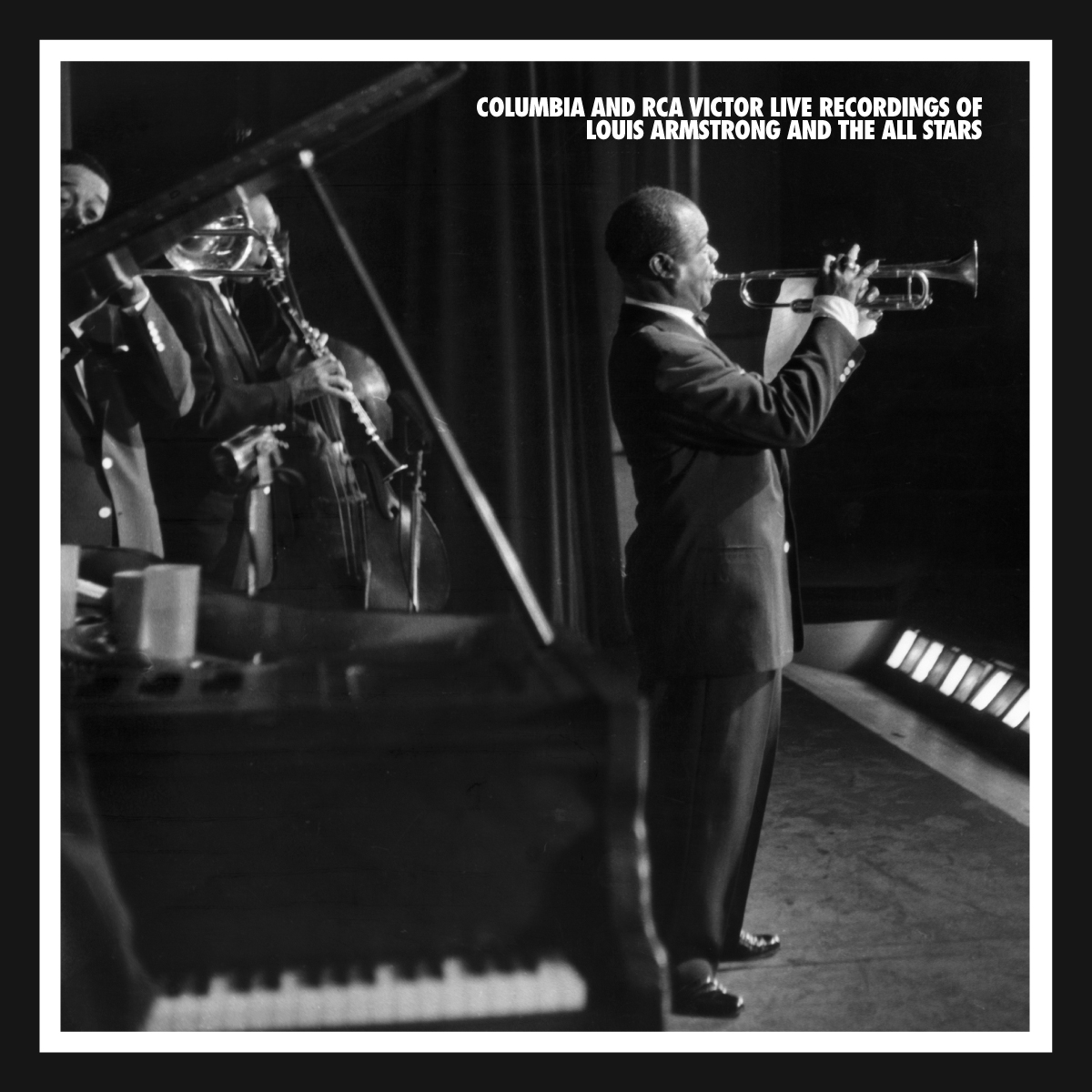
The Columbia & RCA Victor Live Recordings of Louis Armstrong & The All-Stars
(Out-of-print)